
Co-living homes, built for higher yields.
Multiple ensuited bedrooms with shared living spaces, leased room by room by specialist managers.


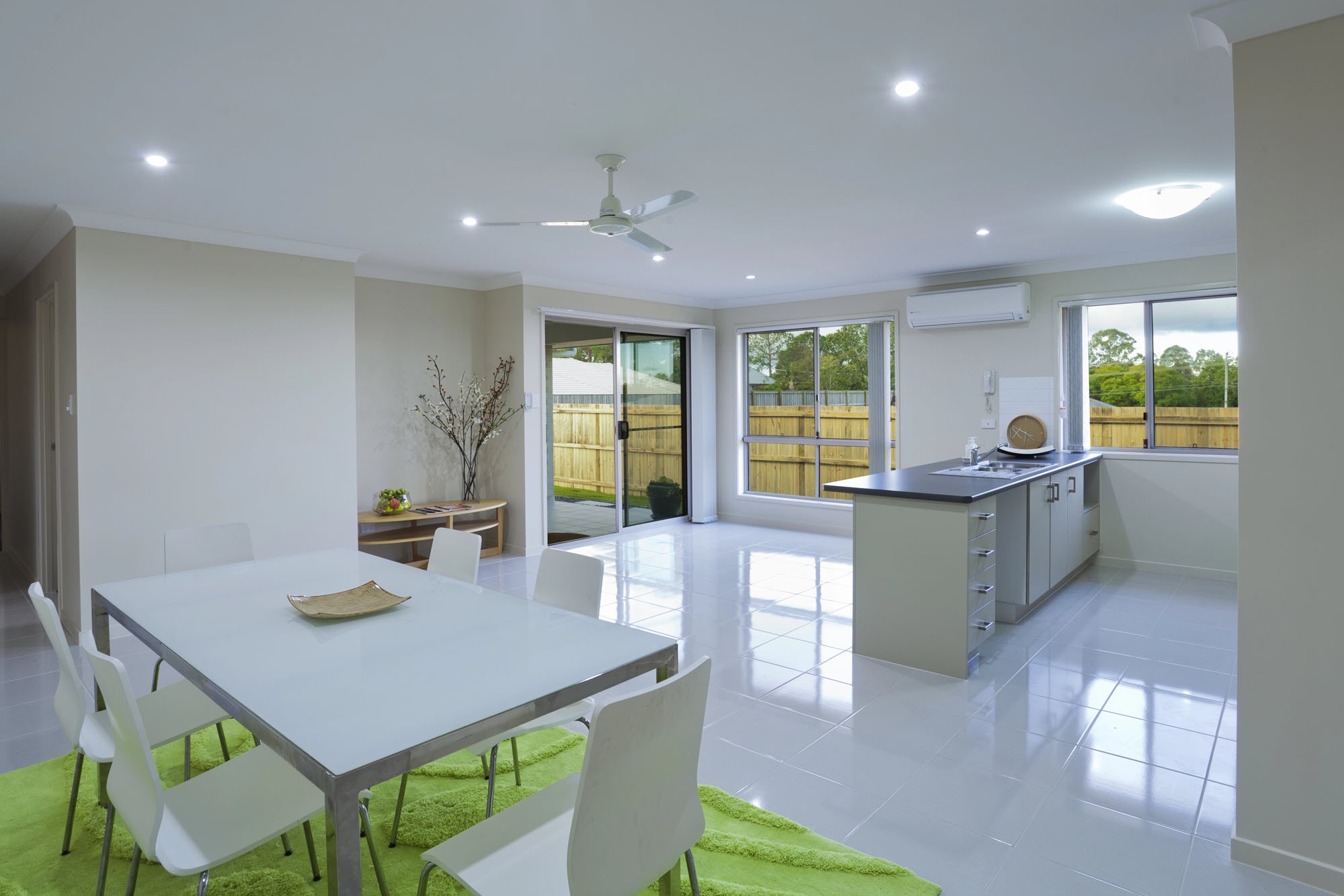
Private rooms. Shared spaces. Separate leases.
Co-living homes have several bedrooms, each with its own ensuite, plus a shared kitchen, living area and laundry.
Each tenant has a lockable pantry, lockable storage and their own air conditioning control, and every bedroom is secured separately.
Homes are leased by managers who specialise in co-living, using agreements written for this type of occupancy. That protects both tenants and landlords.
Built for how more Australians rent.
The main advantages, at a glance.
Leasing room by room can deliver more income than renting the same home as a single tenancy.
Rising rents and changing household types have made affordable private rooms far more popular in every capital city.
Each room earns its own rent, so a vacancy affects one room rather than the whole home.
Fixed weekly utilities and shared garden and common-area cleaning give tenants certainty.
Co-living suits some locations better than others. We only recommend it where the research supports it.
Higher combined rent from the same street.
An illustration of how room-by-room leasing compares with a standard rental.
Traditional 4x2 home
Rented as one home for $750 per week.
3x3 co-living home
Three rooms at $300 per week each, for $900 per week combined.
Why it matters
Higher yields attract new supply for the growing number of single renters, and fewer homes end up with empty rooms.
Other ways to invest.
Every product option suits a different budget, goal and risk profile. We'll help you weigh them up.
House & land
Land and a new build on two contracts, investor ready at handover.
Dual key
Two self-contained homes under one roof, with two rents.
Defence housing
Long DHA leases with rent paid whether occupied or not.
Townhouses
Compact, low-maintenance homes at lower price points.
Single contract
One contract, one price, often built or under way.
What our investors say.


Is co-living right for you?
Talk it through with your property adviser. A free introductory consultation, with no obligation.